How the world covered it

European Heatwaves Drive Climate Anxiety

A third consecutive European heatwave in 2026 is generating measurable psychological distress among the French public, breaking temperature records and driving policy debates about climate adaptation...

Editorial comparison

Le Monde documents French psychological distress from third consecutive heatwave; Guardian frames as firefighter operational constraints; Gazeta.uz presents Uzbek heat response as government achievement.

Le Monde leads with French public psychological anxiety after three heatwaves in 2026: 'After three heatwaves, the French are stunned and worried: "Next year it's going to be worse, what are we going to do?"' This framing centers measurable civilian psychological distress and existential climate worry. The Guardian reports European heatwaves through operational constraints on firefighting capacity—'Storms are typical during intense heat but this week's have been extreme'—emphasizing institutional response capacity rather than civilian emotional experience.

CNA and Daily Maverick report Spain bracing for third heatwave with temperatures above 40°C and violent thunderstorm casualties in France (two dead, 53,000 without power), treating heatwaves as recurring emergency cycles. Gazeta.uz frames Uzbekistan's heatwave response differently: employer recommendations to reduce outdoor work 11:00-16:00 and intensified street/green space watering are presented as government-managed adaptive measures, framing institutional competence rather than systemic failure or psychological strain. Japanese reporting on sleep deprivation from heat treats climate as a global phenomenon, while European outlets center their own institutional and psychological vulnerabilities.

How each outlet opened the story
Le Monde France

After three heatwaves, French are stunned and deeply worried

CNA Singapore

Spain braces for third heatwave with temperatures above 40°C

Weather tracker: Thunderstorms strike across Europe amid record heatwave

Daily Maverick South Africa

Two dead after violent thunderstorms in France; 53,000 without power

Japan Times Japan

Summer arrives in Japan bringing hot, sleepless nights globally

Gazeta.uz Uzbekistan

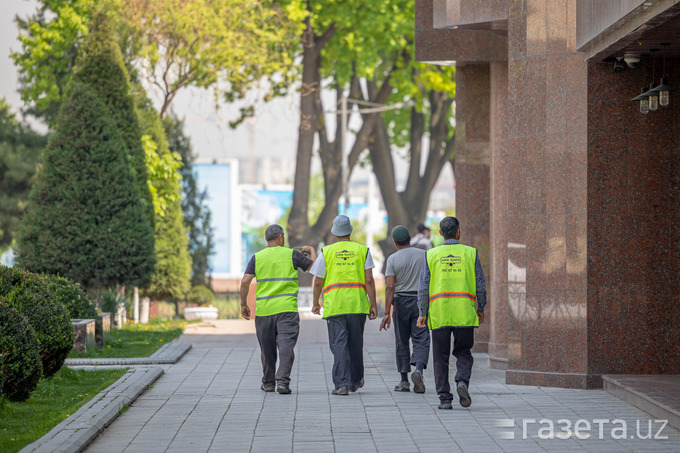
Employers in Uzbekistan advised to reduce outdoor work during peak heat

Gazeta.uz Uzbekistan

Uzbekistan intensifies watering of streets and green spaces

Coverage map

What coverage agrees on, contests, or leaves unclear.

Broadly agreed
  • Multiple sources confirm Europe is experiencing its third significant heatwave of 2026.
  • France, Spain, and Uzbekistan are all reporting extreme temperatures with infrastructure and health consequences.
Contested framing
  • Gazeta.uz frames Uzbekistan's electricity record consumption as a government-managed achievement; The Guardian and Le Monde frame European heatwaves as evidence of climate institutional failure requiring systemic response.
  • French Le Monde documents deep public psychological anxiety; British Guardian focuses on firefighter operational constraints — different dimensions of the same crisis.
Still unclear

The cumulative mortality impact of the three 2026 European heatwaves has not been compiled or confirmed across the available summaries.

Notable omissions

Coverage largely absent on heat impacts in North Africa and the Middle East, which are experiencing even more extreme temperatures than Europe but receive minimal mention.

Regional framing

How different outlets describe the same story.

French

Le Monde documents French public reactions across regions — stunned and worried with quotes like 'next year it's going to be worse, what are we going to do?' — framing heat as psychological and social crisis with elite institutional depth.

Singaporean

CNA/Straits Times reports Spain bracing for a third heatwave with highs above 40°C, framing through regional infrastructure vulnerability.

South African

Daily Maverick covers two deaths after violent thunderstorms in France following the heatwave, framing through humanitarian consequence.

Japanese

Japan Times covers summer heat arrival in Japan driving 'hot, sleepless nights,' connecting to global climate change's role in sleep deficit.

Uzbek

Gazeta.uz reports Uzbekistan breaking electricity consumption records during heatwave and advising employers to reduce outdoor work between 11am-4pm — framing these as government achievement narratives without climate system analysis.

Source trail

Original reporting behind this perspective.

This page maps the coverage. The 7 articles below are the original reports the comparison is drawn from — open them for each publisher's full reporting.

Show 7 source articles
Perspective link copied